
Malik Peay
Malik Peay
A craftsman fluent in sonics, Nineteen85 discusses plans for a solo takeover and collaborating with more powerhouses and titans in R&B and hip-hop.
Photography Provided
Canadian Nineteen85, born Paul Jefferies, of dvsn is in transit. Lucid Monday catches him after a business meeting in downtown Los Angeles on the phone, when he is on his way to secure a hard drive of unreleased tracks from West Hollywood. To be Nineteen85, you have to be moving a million miles a minute to keep up with your life as a Grammy-winning producer and artist.
“It's been a busy day,” Jefferies welcomes me with. He has just wrapped Mariah The Scientist’s Hearts Sold Separately tour as the music director and executive producer of her latest album. In the middle of that run, he did the Sept. 5th anniversary show run with his group dvsn.
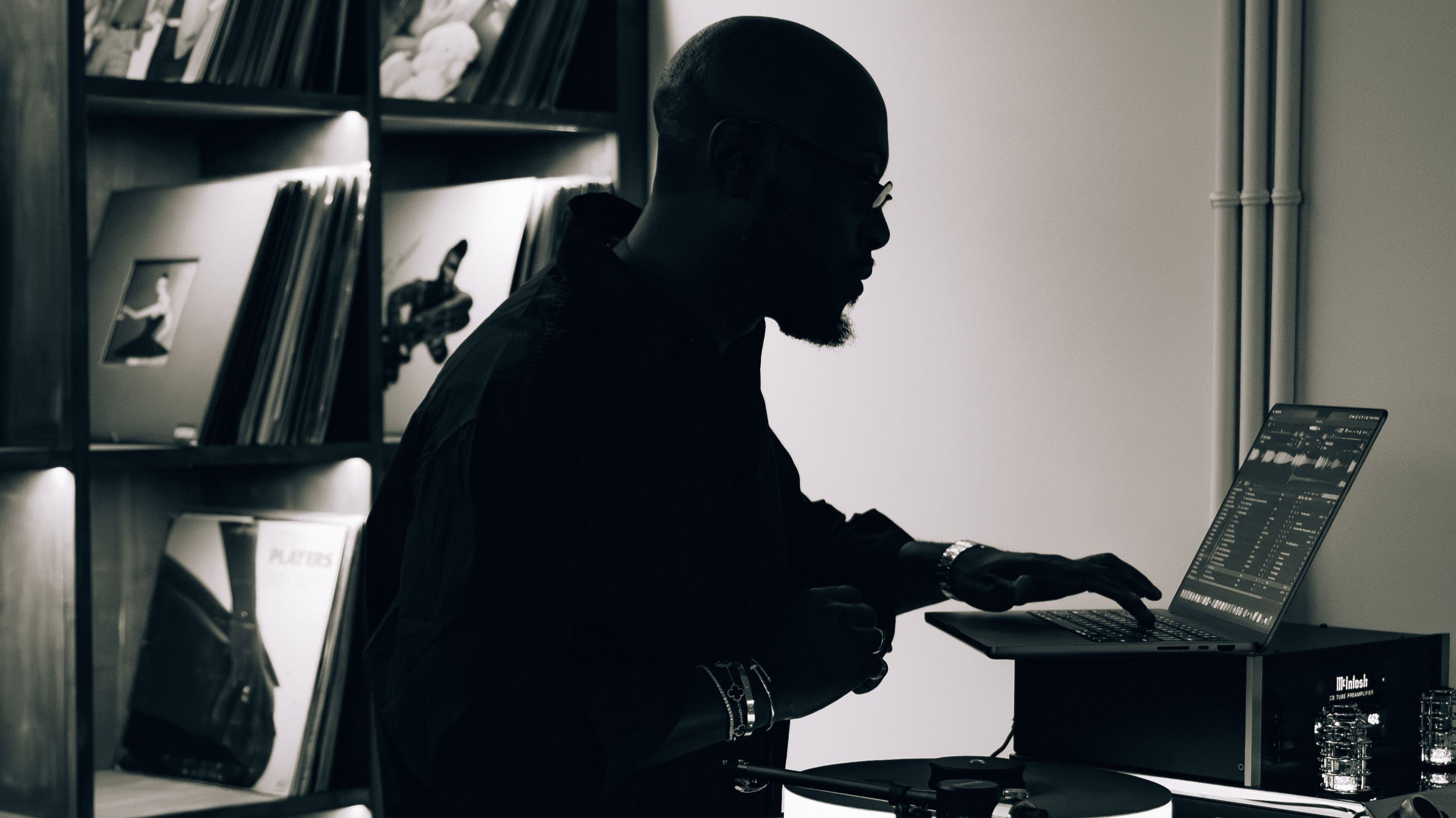
When asked about the spaces he feels are the most organic to create in, “I almost always prefer Airbnbs. I just set up the equipment and keep my laptop with me,” the 40-year-old record maker responds.
Since 2015, dvsn has been a pioneer in the genre of contemporary R&B, and Nineteen85 is the other half of the duo that has become known for their new approach to retro sonics. His repertoire of archival sonics consists of old school samples and synths that have molded the musical tapestry of pop today.
“I think Toronto, over the last 10 to 15 years, has been one of the most influential, outside of Atlanta, with the popular sound of R&B, hip-hop, and how that translated into what would then become pop,” Nineteen85 defines.
“I have a folder of sounds: beats, sample ideas for dvsn, for Drake, for Mariah, for 21 Savage, so I'm constantly compartmentalizing things and not everything gets used. I would say a lot of it doesn't get used,” The Toronto-raised producer breaks down his process. “The early Drake, the PARTYNEXTDOOR, [The] Weeknd, dvsn, and Majid Jordan. I think that sound, if you go back to anywhere between 2010 and 2017, really dictated most of what would become the next 10 to 15 years of urban music.”
He crafted most of Mariah The Scientist’s No. 1 album, Hearts Sold Separately, in Cabo. “Now it's so easy to tap into those sounds from laptops; before you'd have to have a whole studio with nine different keyboards, bass player, guitar player, drummer, but I can do so much from my laptop, and I can get a lot of those different sounds from my plugins,” Nineteen85 explains.
While creating the signature, soulfully magnetic sounds of the Atlanta singer’s project, he said that Mariah creates from a place of instinct without having to map out. “She started writing to specific sounds—mostly the songs of mine that she gravitated towards were the ones that had those sounds in it. If I gave her 20 different beats, she would pick the three that specifically had those type of keyboards and those synths and those almost very ‘80s sounding pieces in them.”
Nineteen85 organizes his music-making process by creating different folders of sounds, samples, and songs. Then, he categorizes them into playlists suited for his frequent collaborators. He has a formula to the way he creates and maintains sampling in his music without damaging the reputation sampling has in modern practices of creating music.
“There are whole genres that are based on sampling, from hip-hop to house to R&B to so many huge pop songs that people are afraid to realize are samples,” he describes. “When people say sampling is lazy, it can be a little bit demeaning of the whole process overall.”
One of dvsn and Nineteen85’s most frequent collaborators, fellow Toronto-native Drake, is a sample fanatic, and many of his hits are rooted in some type of stem or sample. “I always feel like I feel more ready for when the time is right, when I put aside sounds that I can pull from.” His most recent studio times have been shared with Summer Walker and other powerhouse women in music who are evolving the wide canvas of R&B.
Now, Nineteen85 is focusing on developing his first solo project. “I've been saying this for years, but this is the first time I'm actually putting things aside specifically for my own project, and these sounds will find a home,” he closes the interview with, as a man in transit eventually reaches his destination.